People usually start asking about price before they ask about needles. It is a fair instinct. Budgeting for a botox medical treatment is easier when you understand how clinics calculate cost, how much product your goals generally require, and which extras can quietly add up. The range can look chaotic at first glance, yet there are reliable anchors you can use to plan with confidence. I will walk through those anchors, with numbers and examples from day‑to‑day practice.
What you are actually paying for
“Botox” is a brand name for onabotulinumtoxinA, one of several botulinum toxin type A products used in botox cosmetic treatments and botox medical treatments. Clinics typically bill two ways: per unit or per area. You pay for the drug, the injector’s time and expertise, and the overhead of running a medical practice. The product is shipped as a powder, reconstituted with saline, then used within hours to weeks depending on protocols.
Per unit billing gives transparency. You know the price per unit and the total units placed. Per area billing gives predictability for common sites such as frown lines or crow’s feet. Both can be fair. What matters more is how a provider doses based on your anatomy and goals. Fewer units at a lower price that wear off too fast or leave asymmetry is not a bargain. Neither is over‑treating and freezing expression.
How much botox do common treatments use
Dosing varies with muscle strength, sex, prior exposure, and desired movement. A light “micro” approach for first‑timers costs less per session, though you may need more frequent refreshes. A stronger, more durable correction costs more up front and typically lasts longer. The ranges below reflect typical onabotulinumtoxinA usage for adults. They are not prescriptions.
- Forehead lines: 6 to 20 units, depending on brow position and muscle pull Frown lines between the brows, or glabellar lines: 15 to 25 units Crow’s feet at the outer eyes: 6 to 20 units per side Bunny lines at the nose: 4 to 10 units Brow lift effect: 2 to 4 units per side Under eye wrinkles: small, cautious doses when used, often 2 to 6 units total Lip flip treatment: 4 to 8 units across the upper lip Gummy smile treatment: 2 to 6 units at the levator muscles Chin dimpling, or pebble chin: 6 to 10 units Masseter muscle for jaw slimming or teeth grinding: 20 to 30 units per side, sometimes more with larger muscles Platysmal neck bands or a “Nefertiti” neck lift: 20 to 60 units Underarm hyperhidrosis treatment: often 50 to 100 units per side Chronic migraine protocol: 155 units as a base, up to 195 units with follow‑the‑pain additions TMJ or clenching, off‑label: commonly 20 to 50 units per side depending on muscles involved
These are the medical realities that drive cost. Small sites such as a lip flip cost less because doses are small. Large muscle groups such as the masseter or underarms require many units, which increases price.
Typical costs you will hear in consultations
Unit pricing in the United States often ranges from 10 to 20 dollars per unit in suburban markets. In high‑demand urban centers, 15 to 25 dollars per unit is common. Price per area bundles vary widely by region and clinic brand, but you tend to see repeat patterns:
- Forehead injections: 200 to 400 dollars Frown line injections: 250 to 500 dollars Crow’s feet injections: 250 to 450 dollars Lip flip procedure: 80 to 150 dollars Chin treatment for dimpling: 100 to 250 dollars Bunny lines treatment: 100 to 200 dollars Brow lift injections: 100 to 200 dollars when added to a brow complex Masseter, or jawline treatment: 600 to 1,200 dollars depending on units Platysmal neck bands or neck lift effect: 500 to 1,000 dollars Underarm sweating treatment for hyperhidrosis: 900 to 1,500 dollars Migraine injections: 1,200 to 2,500 dollars if self‑pay, but often billed to insurance
Clinics set minimum charges as well. If your anatomy needs just 6 units to soften a subtle line, you may still see a minimum such as 12 units or a base visit fee.
Cosmetic versus medical: why coverage changes the math
When you seek botox for forehead wrinkles, frown lines, crow’s feet, or a brow lift treatment, you are in cosmetic territory. Cosmetic botox injections are not covered by insurance in the U.S., and you pay out of pocket. HSA and FSA accounts also generally do not reimburse for cosmetic treatment.
For botox therapy indicated for medical reasons, the landscape changes. Botulinum toxin can be indicated for chronic migraine, cervical dystonia, blepharospasm, spasticity, overactive bladder, and severe primary axillary hyperhidrosis, among others. In these cases:
- Insurance may cover all or part of the botox procedure if criteria are met. Pre‑authorization is typical. Your out‑of‑pocket costs will then be tied to your plan’s co‑pays, deductibles, and coinsurance. Some manufacturers offer patient assistance programs for high co‑pays when the indication is approved.
TMJ pain and teeth grinding sit in a gray zone. Many people pursue botox for masseter muscle pain relief or jawline slimming. While botox for TMJ has growing clinical use, coverage is inconsistent because it is often considered off‑label. Expect to self‑pay unless your plan specifically approves it.
A closer look at unit pricing, brands, and “equivalency”
You might hear that 1 unit of one brand equals 3 units of another. That shorthand is unreliable. Each brand has its own dosing and diffusion profile. OnabotulinumtoxinA and incobotulinumtoxinA are commonly used as 1:1 in practice, abobotulinumtoxinA often uses higher unit counts to achieve similar clinical effects, and a newer option with longer duration reports different labeling entirely. This affects price perception:
- A clinic charging fewer dollars per unit may use a brand where more units are required for the same effect. That can equalize the final bill. Some newer toxins marketed for longer duration can cost more per area but extend time between visits. If your schedule or travel favors fewer appointments, the annual spend may be similar.
Ask which product you will receive for your botox face injections, why it was chosen, and how the clinic handles brand‑to‑brand differences in pricing. Ethical clinics are clear about units, product, and expected results.
The role of skill and setting
It can be tempting to chase the lowest sticker price for botox aesthetic injections. Complication management is where experience shows its value. Brow drop from over‑treating forehead lines, smile asymmetry after crow’s feet injections that bite too deep into zygomatic muscles, or speech issues after a heavy lip flip are frustrating and sometimes costly to correct. A board‑certified dermatologist, facial plastic surgeon, plastic surgeon, or a well‑trained injector under proper supervision prices in time for assessment, conservative dosing where needed, and planned follow‑up.
Medical setting also affects price. A boutique med spa with high rent and concierge amenities may charge more than a lean dermatology clinic. There is nothing wrong with either, as long as sterile technique, product chain‑of‑custody, and informed consent are solid. Beware of bargains that come with vague answers about product sourcing. Botulinum toxin should be purchased from authorized distributors and stored properly. Counterfeit or diverted product is a risk you do not want to take.
How often you will need treatment
Longevity drives total yearly cost more than people expect. For cosmetic botox wrinkle injections on the upper face, three to four months is common in average dosing. Some maintain effect for up to five or six months with conservative facial movement goals or after several cycles. The chin and lip flip wear off on the quicker side, often two to three months. Masseter treatments for jaw slimming or teeth grinding may hold four to six months once the muscle has thinned a bit. Underarm sweating treatment often lasts six to nine months, sometimes longer. Chronic migraine protocols typically repeat every 12 weeks.
If you prefer lighter “baby botox” dosing to keep more movement, plan on more frequent visits. If you prefer a firmer hold on frown lines and forehead lines, you may stretch a bit longer. Budget across the calendar rather than thinking in single‑visit terms.
A realistic annual budget by goal
Let’s convert this into real numbers. Imagine a patient focused on three core concerns: frown line injections, crow’s feet injections, and a forehead softening that maintains a natural brow. At a mid‑market clinic charging 14 dollars per unit, and using 20 units glabella, 12 units forehead, and 12 units per side for crow’s feet, the session might total 56 units, or about 784 dollars. Repeating three times per year is roughly 2,350 dollars.
A different patient wants a brow lift effect and botox for smile lines at the corners of the mouth, along with a lip flip enhancement. That may be 2 to 4 units per side for the brow, 2 to 4 units per side for the depressor anguli oris, and 6 units for the lip flip. The total could fall around 18 to 24 units, 250 to 350 dollars at similar pricing, but likely repeated every 3 months to maintain lip eversion.
For jawline treatment with the goal of botox for jaw slimming and relief from clenching, start with 25 units per side for the masseter muscle, 50 units total. At 16 dollars per unit in a big‑city clinic, the session is 800 dollars, often every 4 to 6 months. The first year might be two to three cycles as the muscle contours change, then two cycles per year to maintain.
Underarm hyperhidrosis treatment uses larger doses, often 100 to 200 units total. At 12 to 18 dollars per unit, you might see 1,200 to 2,400 dollars per session, often lasting six to nine months. If insurance covers it, your costs drop to your plan’s terms.
Chronic migraine patients on the 155‑unit standard dosing often see the clinic bill to insurance. If you self‑pay for out‑of‑network care, plan for 1,200 to 2,000 dollars every 12 weeks, though some centers offer bundled medical rates or payment plans.
What can quietly add to the bill
A consultation fee may apply and is sometimes credited toward treatment. Touch‑up policies vary. Many clinics schedule a two‑week check for botox facial treatment and include small balancing tweaks, yet this is not universal. Ask up front.
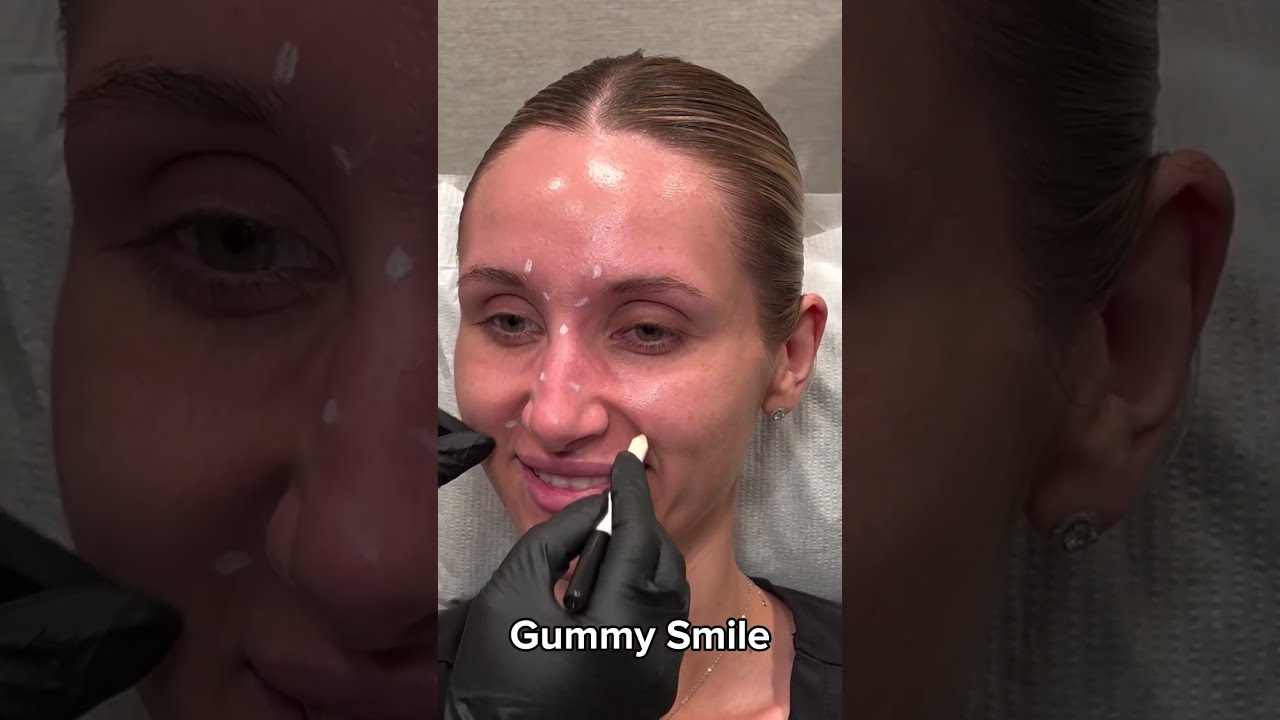
Some clinics charge different rates for advanced areas, such as botox under eye treatment or botox neck band treatment, because risks are higher and anatomy more variable. Expect a higher per‑area fee, a longer visit, and a strong informed consent process.
Facility or “chair” fees are rare in injectables, but hospital‑based clinics may include them if treatment takes place in a procedural suite. Clarify before booking.
Taxes on medical services vary by state and country. Gratuities are not customary in medical clinics. If a practice reminds you to tip the injector, that is a red flag regarding medical professionalism.
Ways to stretch value without sacrificing safety
Patients sometimes save money by spacing treatments to align with personal events or photo seasons. Reset your baseline with two consistent cycles, then try extending your interval by two to four weeks to see how you hold. There is a point of diminishing returns, but most people find a sweet spot that meets both appearance and budget.
Memberships and loyalty programs can be useful if you will return to the same clinic. Modest discounts per unit or bundled pricing on combined botox facial rejuvenation and skin care add up over a year. Manufacturer rewards can reduce cost when the clinic participates and logs your treatments, though the savings per session are usually incremental rather than dramatic.

Mixing brands to chase promotions is not harmful when managed by an experienced provider, but keep records. If you feel a particular brand gives you a softer or stronger effect for botox wrinkle reduction treatment, say so. Consistency helps dial in dosing and protects your budget from expensive trial and error.
A quick budgeting blueprint
- Decide your top one or two priorities first. Treating frown lines and crow’s feet consistently gives most people 80 percent of what they want for facial freshness. Choose your billing preference. If you like control, pay per unit. If you want predictability, choose per area with a clear touch‑up policy. Map your year. Multiply your session cost by three to four for upper face, two to three for masseter, and two for underarm sweating, then set aside that amount. Join one loyalty program, not five. Pick the clinic you trust, enroll in their membership if it suits your schedule, and track your per‑unit effective price over time. Reserve a modest “tweak fund.” Set aside 10 to 15 percent of your projected spend for touch‑ups, small add‑ons like bunny lines, or a pre‑event lip flip.
Special cases and off‑label realities
Many common botox facial wrinkle injections are technically off‑label uses even though they are standard in aesthetic medicine. Botox for facial lines under the eye, bunny lines, gummy smile, brow lift injections, and chin dimpling fall into this group. That is not a reason to avoid them, but it is a reason to choose clinicians who understand anatomy and communicate risk. Off‑label does not mean experimental. It does mean the injector’s judgment matters more, which can justify a higher fee for careful technique.
botox near New Providence
Botox for nose wrinkles treatment and botox eyebrow lift are light‑dose refinements. They tend to be relatively affordable per visit but add up if done at every session. People often alternate, doing core areas each time and rotating smaller tweaks every other visit to stay on budget.
Botox under eye treatment requires restraint to avoid a hollowed or smile‑limited look. Expect a conservative approach, perhaps a staged plan, and a willingness to say no if your anatomy does not suit the technique. That kind of honesty is worth paying for.
Avoiding false economies
I have met patients who spent less per session for botox cosmetic injections treatment by visiting pop‑ups or group events, then more later to correct uneven results. Muscle memory does adjust over time with repeated botox wrinkle treatment, so fixes are not instantaneous. A crooked smile after too‑aggressive botox cosmetic face treatment near the mouth can take weeks to fade.
Another false economy comes from over‑dilution. Skilled injectors customize dilution for injection feel and spread, but the total units should match your plan. If your prior records say 20 units glabella and a new clinic proposes “one area” with no unit count, ask for details. Unit transparency protects your results and your wallet.
The appointment flow and where time equals money
Time is part of cost. A typical botox cosmetic procedure for the upper face runs 10 to 20 minutes after mapping. First visits take longer because you will review medical history, discuss medications, and set goals. Photos before and after are standard for tracking and for medical documentation. Numbing cream is rarely needed for botox skin treatment, though ice or vibration can be offered.
Expect visible results in 3 to 5 days for many brands, peaking at 10 to 14 days. That is why providers schedule follow‑ups around the two‑week mark. If you plan a wedding or a shoot, do your botox facial rejuvenation two to four weeks in advance.
Aftercare is simple: avoid rubbing treated areas vigorously that day, skip saunas and high‑intensity workouts for the first 24 hours, and remain upright for several hours. None of these steps add cost, but ignoring them can reduce your return on investment.
Building a line‑item estimate
Let’s put numbers to a sample plan focused on facial lines and jaw comfort.
- Frown lines: 20 units Forehead lines: 10 units Crow’s feet: 12 units per side, 24 total Masseter for clenching: 25 units per side, 50 total
That visit totals 104 units. At 13 dollars per unit in a suburban clinic with strong reviews, you would pay 1,352 dollars. If you repeat the upper face every 4 months and the masseter every 5 months, the year might include three upper‑face sessions and two masseter sessions. Your annual estimate would land near 4,400 to 4,800 dollars. Join the clinic’s membership that drops your per‑unit price to 12 dollars after the first 100 units per year, and you shave off a few hundred dollars over twelve months.

Alternatively, if you prefer area pricing, the same plan might be quoted as a brow‑complex package for 600 dollars, crow’s feet for 400 dollars, and masseter for 900 dollars, totaling 1,900 dollars per larger visit twice a year, plus a 600 dollar upper‑face refresh mid‑year. That structure could yield a similar annual spend with fewer appointments.
Neither plan is universally “cheaper.” Your anatomy, brand preference, and the clinic’s policies will determine the true effective price.
Questions to bring to your consultation
- How many units do you recommend for each area, and which brand will you use? Do you price per unit or per area, and what is your touch‑up policy at two weeks? How long do your patients typically go between botox injections in these areas? What experience do you have with botox for TMJ, migraines, or hyperhidrosis if I need medical treatment? How do memberships or manufacturer rewards change my per‑unit effective price over a year?
Clear answers help you compare apples to apples and avoid surprises.
Safety, side effects, and the cost of problems
Minor bruising can happen, especially around crow’s feet injections and botox forehead injections where vessels are superficial. This is an inconvenience, not a budget buster. Headache after first‑time treatment sometimes appears and usually resolves without care. Temporary eyelid or brow droop can occur if product migrates, often from rubbing or unlucky spread. It resolves with time, but you may pay for corrective drops or extra visits. Rare adverse events are exactly that, rare, and proper technique keeps them that way.
If you take blood thinners, discuss them. You might not stop medically necessary anticoagulation for a botox cosmetic skin treatment, but gentle technique and a plan to manage bruising matter. If you have a neuromuscular condition or a history of facial nerve issues, get tailored advice. When in doubt, prioritizing safety over speed protects both results and finances.
When combination therapy makes financial sense
Botox facial anti aging treatment does not fix skin texture, pigment, or volume loss. If your budget allows, pairing botox wrinkle relaxing injections with light resurfacing or medical‑grade skincare can extend the results and reduce how much toxin you need. For example, a patient using prescription retinoids and sunscreen daily sees forehead lines soften with fewer units over time because the skin itself behaves younger. Another finds that small cheek filler support lifts the mouth corners, so fewer units are required to quiet pull‑down muscles.
You do not need to do everything at once. Build in stages. Anchor your plan with botox cosmetic facial injections to manage dynamic wrinkles, then add one supportive treatment per year as finances allow.
Regional differences and timing your spend
Costs vary by geography. Coastal metros and high‑tourism areas charge more than smaller cities. If you travel frequently, you can align sessions with visits to a trusted out‑of‑town clinic where pricing suits you, but continuity matters. Records, unit counts, and mapping styles differ. If you bounce between clinics, keep a log of dates, areas, units, and brands. Photos on your phone before and after each session help new injectors match your preferences.
Season also plays a role. Many patients ramp up botox beauty treatment before spring social calendars and winter holidays. Clinics run promotions during slower months. If your calendar is flexible, booking in those windows can trim costs without compromising quality.
Final thoughts from the chair
Budgeting for botox injections is not about chasing the lowest price. It is about knowing what you need, how often you need it, and who you trust to deliver consistent results. Start with one or two priority areas. Learn your personal dose. Track your intervals. After two or three cycles, you will have a clear annual number and a plan that fits your face and your finances.
Well‑done botox wrinkle relaxing treatment should make you look rested, not “done.” The best compliment you can get is that you look like you slept well and hydrated, not that you had work. Set your budget to that standard, and spend where it counts: product integrity, injector expertise, and a follow‑up that treats your face like the unique map it is.